Entry · Ref UQ-7XFF5
What to check before booking a Niagara Falls day out
- Posted
- 2026-11-26
- Last amended
- 2026-11-26
- Account
- @myniagarafallsdaytourmag
A day around the falls can feel simple from a distance. You arrive, look over the railings, take a boat or walk behind the water, then head home. In practice, the smooth days are usually the ones where a few details were settled in advance. The main things to check are timing, borders, transport, what is included, and how much free time you actually get.
Start with the route and the border
Niagara Falls sits on an international border, so the first question is which side you plan to spend time on. The Canadian side is known for broad views across Horseshoe Falls and a dense visitor area near the falls. The American side gives access to a different set of viewpoints and walking routes. Some day plans cross between both, while others stay on one side to keep the schedule simple.
If a crossing is involved, check passport or visa requirements for every traveller, including children. Rules can depend on nationality, residence, and method of travel. A short trip does not remove the need for valid documents. It is also worth checking whether the return route enters a different country from the one you left, as this affects paperwork and timing at the border.
Border queues can change the shape of the day. Leave room in the schedule for inspection, especially on busy weekends or holidays. A plan with tight connections may look efficient on paper but feel rushed once real waiting time is added.
Check what the day actually includes
Two tours can sound similar and still deliver very different days. Read the inclusions with care. Some focus on viewpoints and photo stops. Others bundle admissions such as Maid of the Mist or Journey Behind the Falls. A plan that includes several attractions may leave less time for wandering, while a lighter itinerary can feel more relaxed.
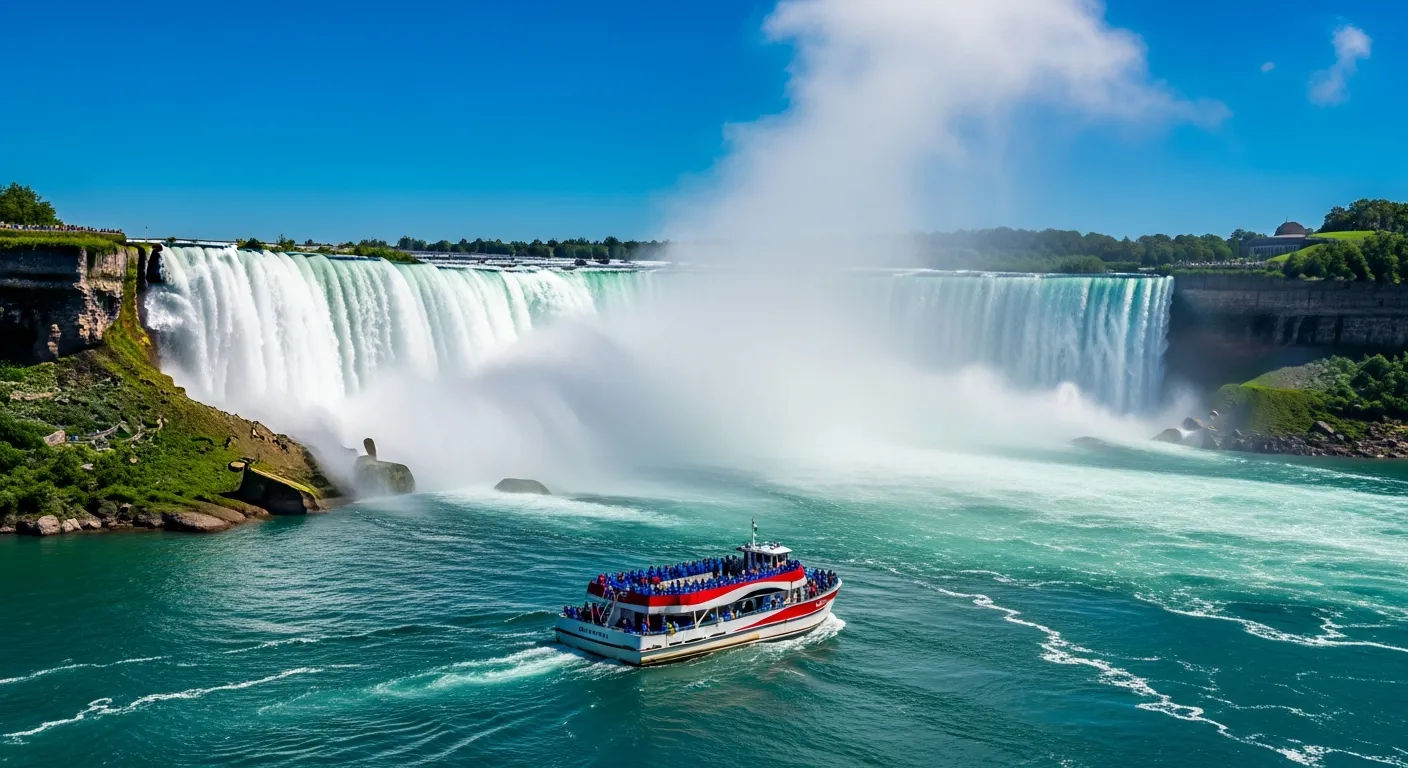
Look at the order of the stops as well as the list of names. A boat ride, a cave route, and a lookout can be close to each other, yet queues and entry procedures can stretch the gaps between them. Ask whether admission tickets are arranged ahead of time or handled on arrival. That detail can matter on a day with limited hours.
Meals are another point to check. A lunch stop may mean a seated meal, a quick cafeteria break, or simply free time to buy food. Travellers with dietary needs should confirm what will be available rather than assuming. Drinks, snacks, and restroom breaks are small details until they become the reason the morning feels uncomfortable.
Look closely at timing and meeting details
The best time for a niagara falls day tour depends on what matters most: wide views, fewer crowds, daylight, or evening lighting. Morning starts tend to feel calmer in busy seasons. Afternoon plans may fit better with other travel arrangements. Evening hours can add a different mood, though some attractions keep shorter schedules outside peak periods.
Check the full duration, not just the start time. Confirm where the day begins and ends, and whether those places are the same. A pickup point near a hotel, a parking area, or a transit hub can make a real difference when luggage is involved. Clear meeting instructions help avoid the most common source of stress on travel days.
It is also sensible to check what happens if you are late. Policies vary, and a missed departure can disrupt the rest of the itinerary. The same applies to the return time. If you need to catch a train, flight, or hotel check-in later, compare the stated finish time with your own commitments and allow a buffer.
Think about mobility and pace
The falls area is walkable in parts, but not every route is flat or short. Viewing platforms, ramps, stairs, and uneven paths may be part of the day. Some attractions involve waiting in lines or moving through enclosed spaces. Travellers with limited mobility, knee problems, or difficulty standing for long periods should check distances and accessibility before committing.
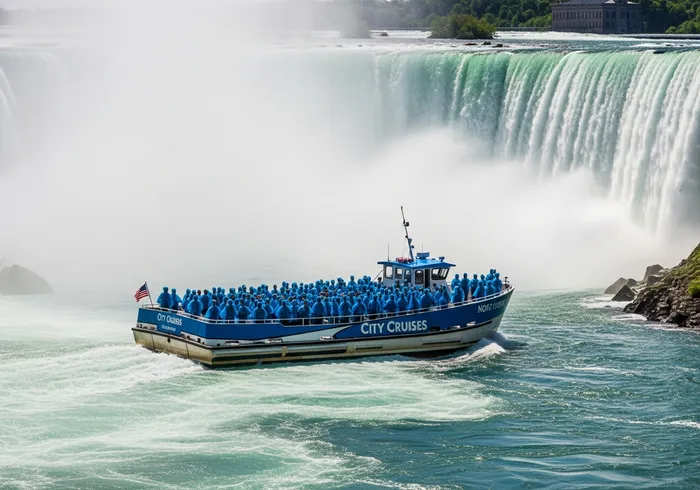
Families should consider the pace too. Children may enjoy boat rides and open viewpoints, then lose interest during long explanations or extended free time. A plan with a mix of short stops and open stretches often works better than one that fills every minute.
Weather can change the experience quickly. Mist near the falls may leave walkways damp, and wind can make an exposed viewpoint feel colder than expected. A light waterproof layer and comfortable shoes are useful in many seasons. In winter, icy surfaces make careful footwear more than a comfort issue.
Compare viewpoints and extras
Not all falls views are the same. Some stops are close to the water and feel loud and wet. Others are higher and wider, better for photographs of the whole curve. A visit to Table Rock Welcome Centre can be useful for orientation, while Skylon Tower observation deck offers a broad view for those who want scale. The Niagara Parkway suits travellers who prefer a slower route with scenery between stops.
Extra stops can add value, but they also use time. Whirlpool Aero Car is distinctive, yet it may not suit someone who prefers to stay near the main falls. Niagara Glen Nature Reserve appeals to people who want trails and greenery, but it asks for more walking and careful footing. Choose extras based on energy levels and interests, not simply because they appear on a long itinerary.
Photography needs are worth a thought as well. Morning light and afternoon light fall differently across the falls. Mist can coat lenses, so a simple cloth helps. If a phone or camera is being used heavily, check battery life and carry a compact charger. These are small preparations that protect the enjoyable parts of the day.
Read the finer points before paying
Before you book a niagara falls day tour, check the cancellation terms and what counts as a refundable change. Weather may not cancel every activity, but heavy rain or poor visibility can affect what you see and how comfortable the day feels. Clear terms make it easier to decide if plans should shift.

Group size can shape the experience. Smaller groups often allow more flexible movement, while larger groups may need more time at meeting points. Audio commentary, live guiding, or self-guided free time each suit different travellers. Consider whether you want facts and context throughout the day or prefer quiet time to take in the setting.
Finally, confirm how updates are shared. A reliable contact method matters if a meeting point changes, a road is busy, or an attraction alters its entry arrangements. Keep the confirmation details easy to find on the day, including the meeting place, departure time, and emergency contact information. A little organisation before departure leaves more room for the part you came to see: the water, the views, and the time to take them in.